Waterproofing membranes are essential for protecting buildings from water damage, leaks, and structural issues. Whether you’re a homeowner, contractor, or architect, understanding waterproofing membranes can save money, enhance durability, and prevent costly repairs.
In this guide, we’ll explore the types of waterproofing membranes, how to install them, maintenance tips, and industry trends.
What Are Waterproofing Membranes?
A waterproofing membrane is a thin, flexible layer applied to surfaces to prevent water penetration. These membranes are commonly used in roofs, basements, bathrooms, and exterior walls. By creating a barrier against moisture, they protect structures from leaks, mold, and structural damage.
Key Benefits of Waterproofing Membranes:
-
Prevents water leakage
-
Enhances structural durability
-
Reduces maintenance costs
-
Protects against mold and dampness
Types of Waterproofing Membranes
Choosing the right membrane depends on the application, budget, and environmental conditions. Here are the most common types:
1. Bituminous Membranes
-
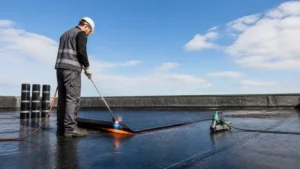
SBS (Styrene-Butadiene-Styrene) Modified Bitumen: Flexible and durable, suitable for rooftops.
-
APP (Atactic Polypropylene) Modified Bitumen: Heat-resistant and ideal for sun-exposed surfaces.
2. PVC (Polyvinyl Chloride) Membranes
-
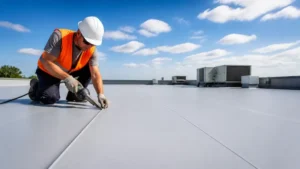
Lightweight, durable, and resistant to chemicals.
-
Commonly used in roofing, ponds, and underground structures.
3. Liquid Applied Membranes
-
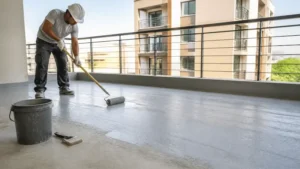
Applied as a liquid that cures into a seamless waterproof layer.
-
Great for complex shapes and detailing like balconies and bathrooms.
4. Rubberized Asphalt Membranes
-
Combines asphalt with rubber for elasticity and weather resistance.
-
Suitable for areas with extreme temperature changes.
How to Install Waterproofing Membranes
Proper installation is critical to performance. Here’s a simplified step-by-step guide:
-
Surface Preparation: Clean the area, remove dust, oil, and debris.
-
Primer Application: Apply a primer if recommended for adhesion.
-
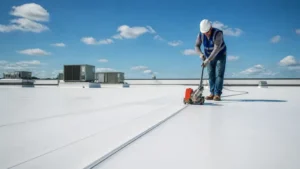
Membrane Placement: Roll out the membrane or apply liquid evenly.
-
Sealing and Detailing: Ensure edges, corners, and joints are sealed properly.
-
Inspection: Check for bubbles, wrinkles, or gaps before finalizing.
Tip: Always follow manufacturer guidelines for the best results and longevity.
Maintenance Tips for Long-Lasting Protection
Even high-quality waterproofing membranes require regular inspection to maximize their lifespan:
-
Inspect surfaces annually for cracks, blisters, or peeling.
-
Clean debris from rooftops and gutters to prevent water pooling.
-
Repair minor damages immediately to avoid larger structural problems.
-
Consider re-coating or adding a new layer after 10–15 years, depending on material and exposure.
Choosing the Right Waterproofing Membrane
When selecting a waterproofing membrane, consider:
-
Purpose: Roof, basement, bathroom, or exterior wall.
-
Durability: Lifespan and weather resistance.
-
Ease of Installation: Some membranes are self-adhesive or liquid-applied.
-
Environmental Impact: Opt for eco-friendly and low-VOC materials.
Latest Trends in Waterproofing Membranes
The waterproofing industry is evolving with innovative materials and technology:
-
Green and Eco-Friendly Membranes: Recyclable or low-emission products.
-
Self-Adhesive and Self-Healing Membranes: Reduce labor and enhance durability.
-
Advanced Polymer Composites: Offer superior elasticity, UV resistance, and chemical resistance.
Conclusion
Waterproofing membranes are a critical investment in any building project. By understanding the types, installation process, and maintenance tips, you can protect structures from water damage while improving their longevity and value.
For contractors and homeowners alike, staying updated on new waterproofing technologies ensures cost-effective, long-lasting protection against leaks and moisture issues.