Modified bitumen membranes are among the most proven waterproofing materials in the industry, but the way you install them can matter just as much as the membrane itself. For many contractors, the first decision is a simple one: torch-on vs self-adhesive application. Each method has loyal supporters, and each carries real trade-offs in safety, speed, bond quality, and cost. This torch-on vs self-adhesive guide compares both systems side by side so you can choose with confidence for your next roof or basement project.
How the Two Systems Work
Before weighing the pros and cons, it helps to understand the installation mechanics of each method.
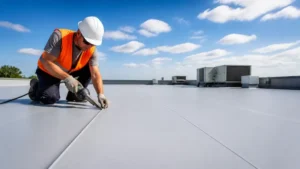
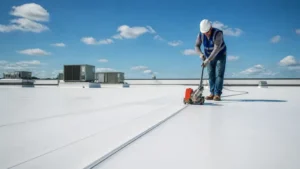
Torch-on (torch-applied) systems. The membrane is unrolled over the substrate, and a propane torch melts the asphalt coating on the underside of the sheet. The melted bitumen bonds the membrane to the surface, and the laps are fused into a continuous, watertight seal. In fact, torch application is the classic method used for SBS and APP membranes worldwide.
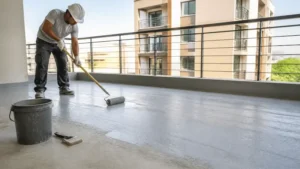
Self-adhesive systems. These membranes carry a factory-applied adhesive layer protected by a silicone release film. The installer peels off the liner, positions the sheet, and presses it into place — no flame, no kettles, no hot asphalt. A primer is usually applied first to promote adhesion to the substrate.
For a broader look at membrane families and how bitumen systems fit into the bigger picture, start with our Ultimate Guide to Waterproofing Membranes.
Torch-On Membranes: Pros and Cons
Torch-on remains the industry benchmark for bond strength, and for good reason. The heat melts the asphalt directly into the substrate, creating a chemical bond that self-adhesive systems struggle to match on porous or uneven surfaces. Moreover, torch application works in nearly all climates — including heavy snow regions and extreme heat — which is why many roofers still consider it the most reliable method overall.
Pros:
- Maximum bond strength to concrete, wood, and metal decks.
- Laps are fully fused, eliminating a common leak point.
- Proven performance across decades of installations worldwide.
- Competitive material cost, especially on large projects.
- Tolerates slightly imperfect substrate conditions better than peel-and-stick.
Cons:
- Open flame introduces serious fire risk, which raises insurance premiums and triggers hot-work permits.
- Banned or restricted in some regions, on high-rise buildings, and over combustible substrates.
- Requires experienced, certified crews; errors cause scorched or blistered sheets.
- Weather-dependent — wind and rain can halt work, and cold makes the material stiff.
Self-Adhesive Membranes: Pros and Cons
Self-adhesive bitumen membranes were developed to deliver the same modified-bitumen performance without the flame. As a result, they have become the default choice for retrofit work, occupied buildings, and any site where open flames are not permitted. On the other hand, the bond depends almost entirely on surface preparation and application temperature.
Pros:
- No open flame — dramatically safer, lower insurance cost, no hot-work permit.
- Fast installation with smaller crews; less specialized skill required.
- Consistent factory-controlled adhesive quality, reducing installer error.
- Ideal for basements, underground structures, and confined spaces.
Cons:
- Bond quality depends heavily on a clean, dry, well-primed substrate.
- Low-temperature installation is difficult — the adhesive stiffens in cold weather.
- Slightly higher material cost per square meter.
- Less forgiving on rough or dusty surfaces than torch-on.
Torch-On vs Self-Adhesive: Head-to-Head Comparison
Here is the practical torch-on vs self-adhesive comparison for specification and budgeting:
| Criteria | Torch-On Membrane | Self-Adhesive Membrane |
|---|---|---|
| Bond strength | Excellent (heat-fused) | Very good (adhesive + primer) |
| Installation speed | Moderate | Fast |
| Fire / safety risk | High (open flame) | Minimal |
| Skill required | Specialized, certified crew | Standard crew |
| Cold-weather work | Difficult but possible | Very difficult |
| Material cost | Lower | Slightly higher |
| Substrate tolerance | Good | Demanding (clean, primed) |
| Ideal for | New roofs, large areas | Retrofit, occupied sites, basements |
As the table shows, the two systems rarely compete on the same job — they excel in different conditions.
When to Choose Which
There is no single winner in the torch-on vs self-adhesive debate; the right method follows the project. Use the following rules of thumb:
Choose torch-on when:
- The roof is large, new, and exposed — warehouses, factories, and apartment blocks.
- The climate includes heavy snow or extreme heat where a fused bond adds durability.
- You have an experienced crew and can manage hot-work permits.
- Cost per square meter is a decisive factor on a big budget.
Choose self-adhesive when:
- The building is occupied and open flames are restricted — schools, hospitals, offices.
- You are retrofitting over an existing roof where torching is risky.
- The project is a basement, foundation, or underground structure.
- You need fast, consistent results with a smaller crew.
For guidance on how the adhesive type inside the membrane affects behavior, see our APP or SBS: Selecting the Ideal Roofing Membrane article. And if you have already decided on self-adhesive, our installation and repair guide for non-bituminous self-adhesive membranes walks through the process step by step.
Sourcing Quality Bitumen Membranes
Whichever application method you select, the membrane itself must be manufactured to consistent specifications. The Asphalt Roofing Manufacturers Association explains how SBS membranes can be applied with different methods — cold adhesive, torch, self-adhered, or hot asphalt — and manufacturers such as IKO and GAF publish detailed guidance for each system. When evaluating suppliers, verify the thickness, the reinforcement (polyester or glass fiber), the low-temperature flexibility rating, and the relevant certifications.
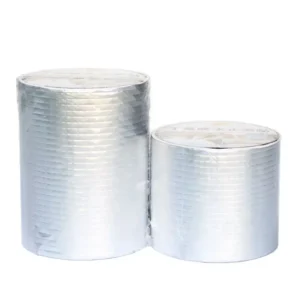
At Huafeng Waterproof, we supply both families: our SBS/APP modified bitumen membrane range covers torch-on applications — including a CE-certified SBS membrane for basements and concrete roofs — while our self-adhesive bitumen membrane and tape range offers easy-install, heat-resistant self-adhesive sheets for projects where flame is not an option.
The Bottom Line
In the torch-on vs self-adhesive choice, both systems deliver proven waterproofing performance — the difference lies in the job site, not the material. Choose torch-on for maximum bond strength on large, exposed roofs with experienced crews; choose self-adhesive for safety, speed, and flexibility on retrofit and below-grade work.
Still unsure which system fits your project? Contact our team for a free quote — we will help you compare both options and supply samples so you can test the bond yourself.