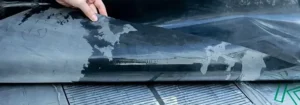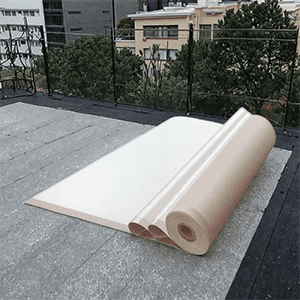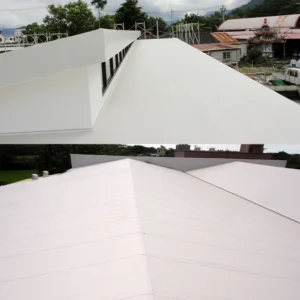
In modern roofing and waterproofing work, bitumen membranes can be installed using several methods—most commonly heat-applied systems, cold-applied adhesives, and traditional hot-mop asphalt. Each method has its strengths, but there are clear situations where a heat-applied membrane offers distinct advantages. This article explains when the heat-applied approach is the most suitable choice and why it often outperforms cold adhesive and hot-mop installations.
1. Faster Installation for Time-Sensitive Projects
Heat-applied membranes can typically be installed in fewer steps than multi-layer hot-mopped systems. While hot-mop assemblies may require several days to complete, heat-applied systems often finish within one to two days, depending on project scale.
This makes heat-applied membranes ideal for:
-
Renovations that must minimize downtime
-
Projects with tight construction schedules
-
Buildings that must remain fully operational during work
The simplified process delivers speed without sacrificing performance.
2. Superior Bonding on Demanding Substrates
A key advantage of heat-applied membranes is the strong bond created when the underside is heated to a molten state and fused to the deck. This results in excellent adhesion—often better than what cold adhesives or hot-mop asphalt can achieve—especially on:
-
Metal roof decks
-
Concrete substrates
-
Areas with varied or irregular surface profiles
This reliable adhesion is essential for long-term waterproofing stability.
3. Enhanced Weather and UV Resistance
Modern heat-applied membranes often incorporate polymer-modified bitumen, which provides:
-
Greater resistance to UV radiation
-
Improved durability in extreme temperatures
-
Better performance under long-term weathering
-
Optional mineral-surfaced layers that further protect the membrane
For climates with high solar exposure or harsh seasonal changes, heat-applied systems typically maintain their integrity longer than cold-applied or hot-mopped alternatives.
4. Improved Durability, Flexibility, and Puncture Resistance
Heat-applied modified bitumen membranes offer excellent mechanical performance:
-
High puncture and impact resistance
-
Flexibility that accommodates structural movement
-
More resilience under foot traffic or rooftop equipment loads
These qualities make them well-suited for roofs where durability is a top priority, such as commercial buildings or facilities with frequent rooftop access.
5. Lower Fume Levels Compared to Hot Mopping
Although heat-applied installation uses an open-flame heat source, it does not produce the heavy fumes and strong odors associated with heated asphalt kettles. This results in a more comfortable and safer working environment, especially on:
-
Occupied buildings
-
Schools, hospitals, or offices
-
Spaces where odor control is essential
While all roofing work requires proper ventilation and safety practices, heat-applied membranes generally create a cleaner atmosphere than hot-mop systems.
6. Practical for Small Areas, Repairs, and Complex Details
Heat-applied membranes can be installed efficiently in locations where hot kettles or large quantities of adhesive would be difficult to use, such as:
-
Tight or elevated workspaces
-
Small roofs or balconies
-
Complex detailing around penetrations, parapets, and edges
The ability to fuse the material directly at the point of application provides excellent control and precision.
7. Better Compatibility with Metal Flashings and Edges
Some metal components do not pair well with hot-mopped asphalt, and cold adhesives may not achieve the needed bond strength. Heat-applied membranes can be fused securely to many types of metal flashing, making them particularly effective at:
-
Roof edges
-
Parapet transitions
-
Corners and terminations
-
Detailed waterproofing connections
Strong detailing is a key factor in long-term roof performance, and heat-applied membranes often excel in this area.
When Heat-Applied Membranes Are Not Ideal
Although heat-applied systems offer many benefits, there are situations where another method is preferable:
High fire-risk environments or areas where open flames are prohibited
Cold-applied systems are often the safest choice.
Projects requiring very low initial installation cost
Hot-mopped assemblies may offer lower upfront pricing, particularly on large commercial roofs.
Applications that rely on multi-layer redundancy
Some hot-mopped systems are designed with several layers, which may be advantageous for specific design criteria.
Conclusion: When Heat-Applied Systems Make the Most Sense
Heat-applied bitumen membranes are generally the best option when a project requires:
-
Fast installation
-
Strong adhesion to metal or concrete substrates
-
High resistance to UV and weather
-
Superior puncture and impact resistance
-
Cleaner installation with fewer fumes
-
Reliable detailing around edges and penetrations
-
Practical, efficient repair and maintenance options
While each installation method has its place, heat-applied membranes consistently stand out for their combination of durability, performance, and installation efficiency.
Contact Us
For more information or to inquire about our Asphalt Waterproof Material, feel free to get in touch with us. We’re here to help!
- Phone: +86 138 6365 6701
- Email: Huafengwaterproof@gmail.com
- WhatsApp: +86 138 6365 6701
We look forward to assisting you with all your waterproofing needs!