Internally reinforced waterproof membranes are a cornerstone of modern construction, offering superior protection for foundations, basements, and underground structures. To ensure their effectiveness, it’s crucial to follow proven waterproofing techniques during installation. Below are five essential steps that professionals rely on to achieve long-lasting results.
1. Substrate Preparation
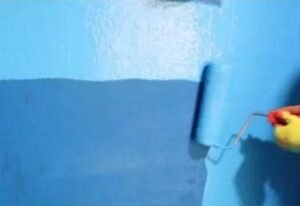
Proper substrate treatment is the foundation of successful waterproofing techniques. The surface must be clean, free of dust, debris, and oil. If the substrate is dry, it should be moistened to improve adhesion—yet avoid standing water, which can weaken the bond between the membrane and the base.
2. Adhesive Preparation
Ensuring accuracy in the formulation of adhesives is important. While using PVA as a binder,
Add water to cement at a rate of 0.4 kg for every kg of cement for a PVA-to-cement ratio of 1:5 and 0.47-0.5 kg at a ratio of 1:10.
Add water to the PVA glue (107) until it dissolves fully, then stir in cement until a smooth mixture is achieved—ensuring lump and bubble free—so that the adhesive will perform optimally during membrane bonding.
3. Detailing Complex Areas
One of the most overlooked yet essential waterproofing techniques involves properly handling complex or high-risk areas such as corners, joints, and pipe penetrations. These sections must be reinforced using additional membrane strips and adhesives (cement or polyurethane-based), strictly following design specifications to eliminate potential weak spots.
4. Large-Scale Membrane Application
For extensive areas:
-
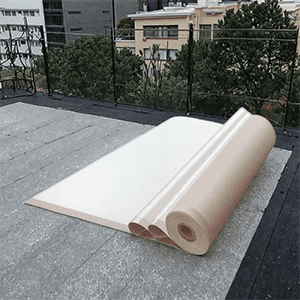
Pre-roll the composite membrane across the surface (3–12 meters for above-ground, 2–3 meters for underground).
-
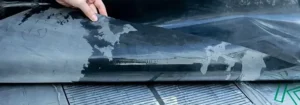
Align the membrane accurately, fix it at the center, then begin adhering one end while smoothing it out.
-
Unroll the rest gradually and press firmly, ensuring no air bubbles are trapped beneath.
Consistency is key—this technique ensures proper bonding and seamless protection across the entire surface.
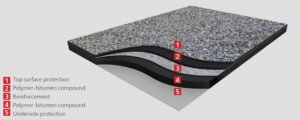
5. Protective Layer Construction
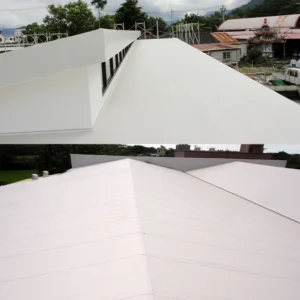
To safeguard the membrane from UV exposure and mechanical damage—especially when it remains exposed—a protective layer must be applied. Typically made from cementitious materials, this layer extends the membrane’s service life and enhances its durability, further reinforcing the overall waterproofing techniques used in the system.
Ready to Build Better Protection?
📞 Get in Touch with Our Experts Today – Let’s Build Something Waterproof, Together!
- Phone: +86 138 6365 6701
- Email: Huafengwaterproof@gmail.com
- WhatsApp: +86 138 6365 6701